
Bloating or fullness
Especially after rushed, rich or unusually large meals.
Singapore Gut Health Awareness
Published Singapore data shows that recurring digestive concerns are more common than many people think. Notice the pattern, know the warning signs and take a more consistent approach to daily gut care.
Start the 3-Minute Gut CheckFor everyday awareness and nutritional support—not diagnosis or treatment.
Familiar symptoms, familiar routine
Digestive discomfort is often easier to understand when you look beyond one meal and notice what repeats across the week.
Especially after rushed, rich or unusually large meals.
Constipation, looser stools or an unpredictable pattern.
Long gaps followed by a heavy dinner at the end of the day.
Busy weeks can make digestive patterns feel harder to read.
Three minutes, no diagnosis
Use this check to organise what you have noticed. Your answers stay in this browser and do not identify a condition.
Singapore data, read responsibly
Population statistics do not diagnose an individual. They show why recurring symptoms, medical screening and everyday habits all deserve attention.
1 in 4
HealthHub uses this local estimate while explaining the role of fibre, fluids and gradual dietary change.
HealthHub source20.9%
A Singapore cross-sectional study reported this Rome III estimate. It should not be applied to every resident.
Peer-reviewed source41.7%
This share of residents aged 50–74 reported colorectal screening within the recommended frequency in 2023.
MOH NPHS 202350+
Eligible Singaporeans aged 50 and above can access colorectal screening with FIT under Healthier SG Screening.
Healthier SG sourceWhy it keeps repeating
It is rarely about one “bad” choice. Timing, variety, stress and short-term symptom fixes can overlap until the pattern becomes hard to see.
Long gaps, rushed lunches and large late dinners can make it difficult to see what your body tolerates well.
Portion size, sauces, spice, fat and fibre can change even when the dish name stays the same.
SingHealth notes that stress may exacerbate IBS symptoms and that irregular meals can be a trigger for some people.
Reacting to each episode separately may miss connections between food, timing, sleep, movement and stress.
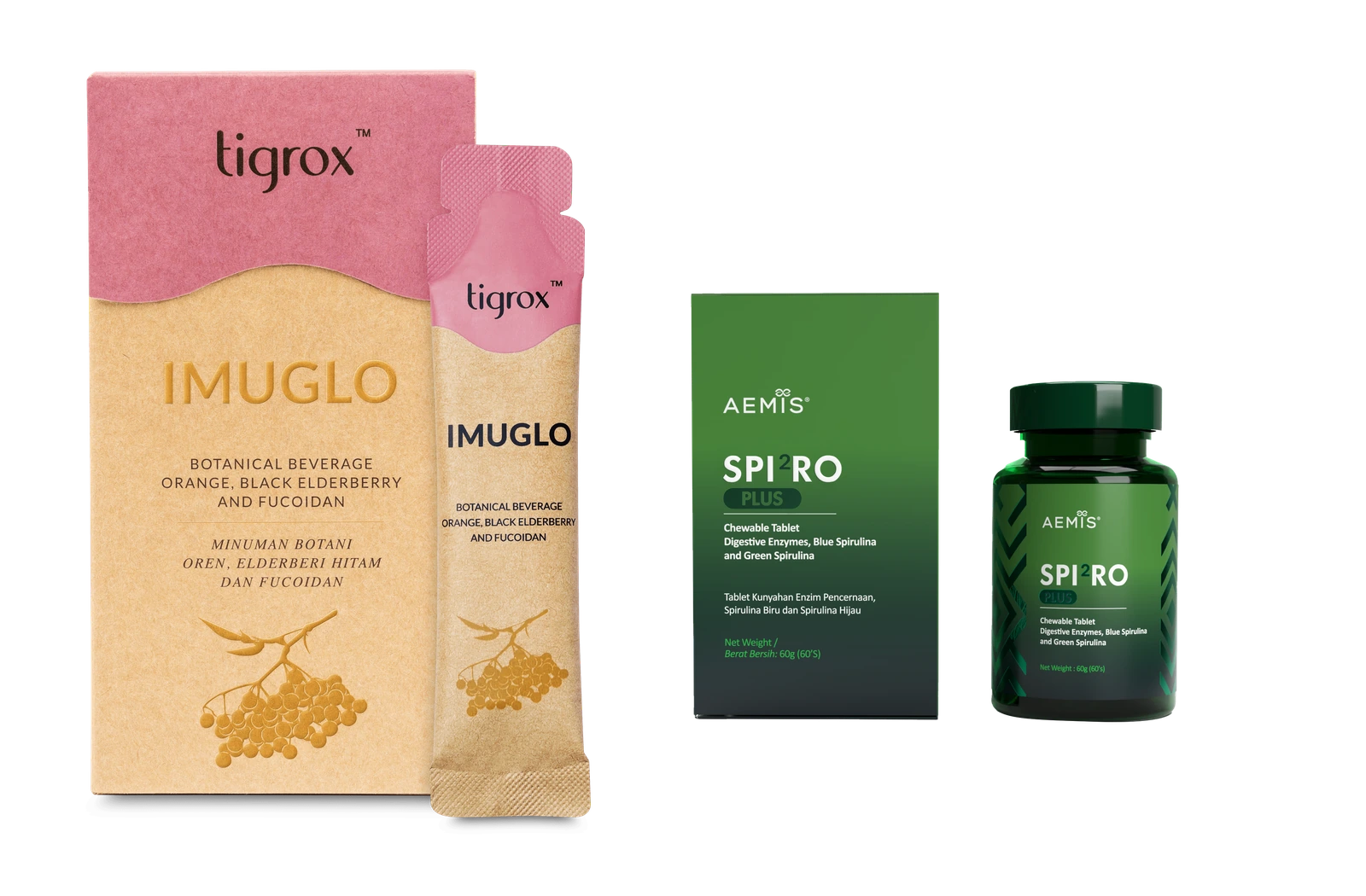
A simpler daily routine
Daily nutritional support for a more consistent gut-care routine.

A botanical beverage with orange, black elderberry and fucoidan.

A chewable tablet with digestive enzymes, blue spirulina and green spirulina.
Food supplements are not medicines and are not intended to diagnose, treat, cure or prevent disease. Follow the label and seek professional advice when appropriate.
See the complete bundle Elderberry
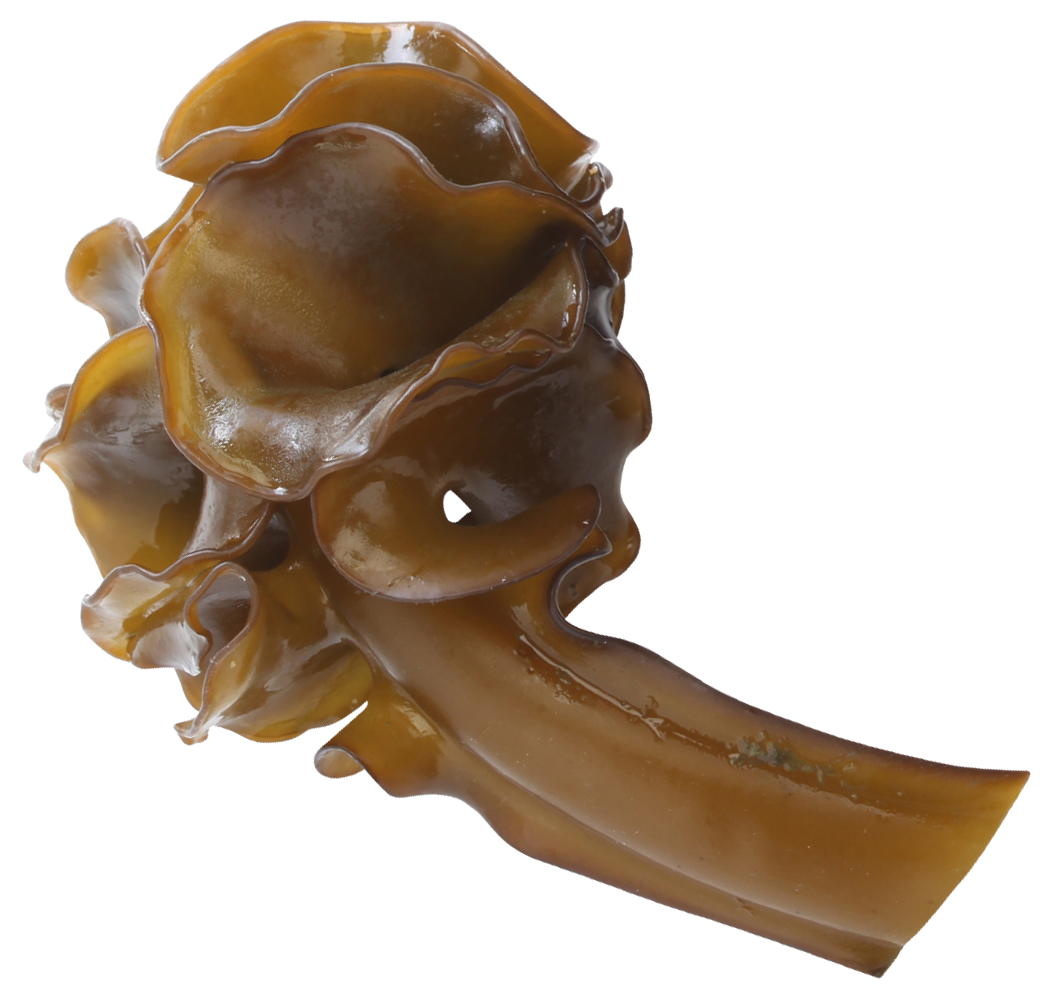 Fucoidan
 Blue spirulina
 Chlorella
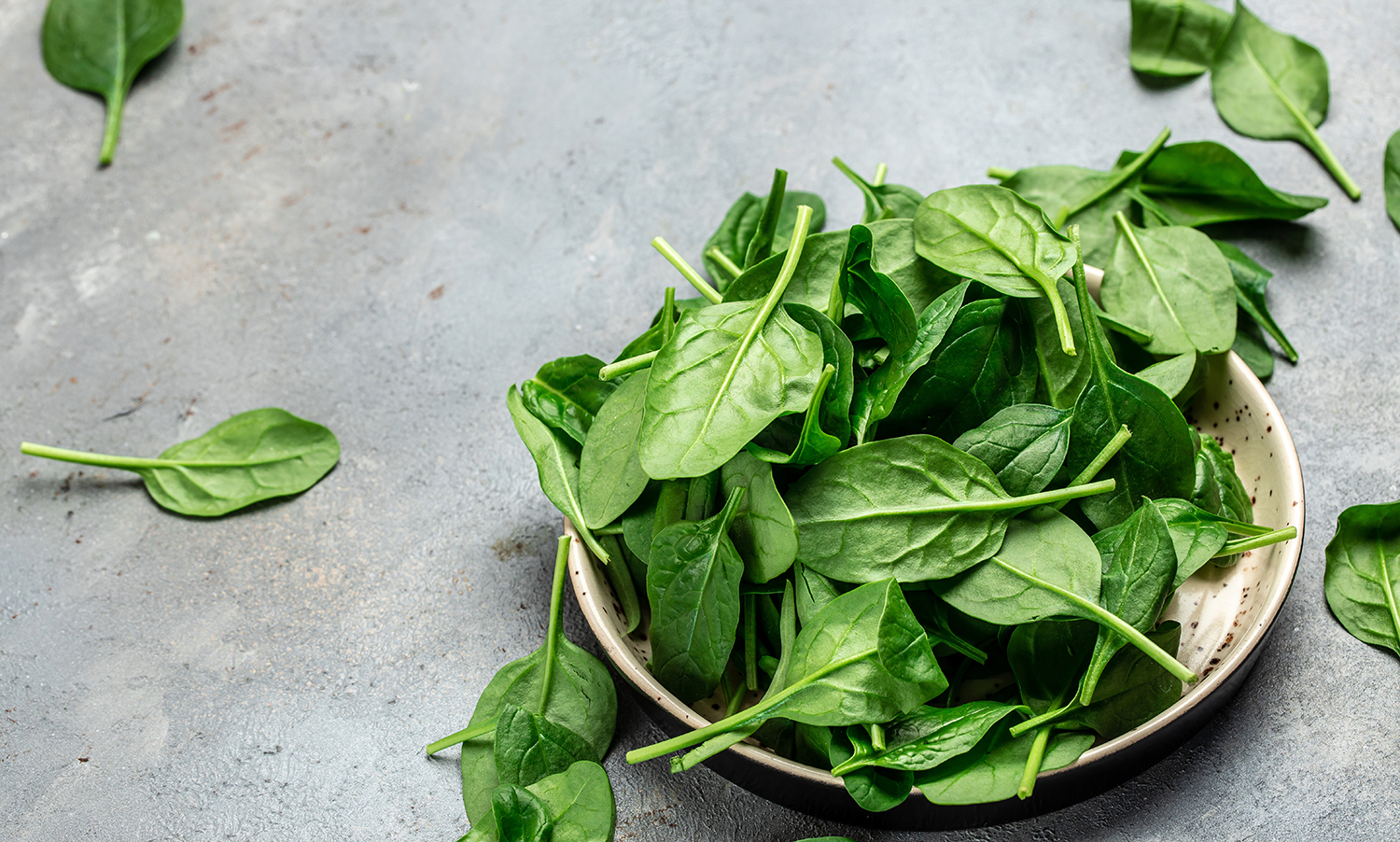 Spinach
 Orange Extract
 Maitake Mushroom Extract
 Vitamin C
 Vitamin D2
Free practical advice
Keep the experiment simple enough to repeat. Change one or two things, then observe before changing more.
Choose the meal you control best and keep it within the same 60–90 minute window for seven days.
Avoid replacing a missed meal with one very large late meal.Record meal time, main foods and drinks, symptom timing, bowel changes, sleep and unusually stressful moments.
Bring the record to your GP if the pattern persists or returns.Keep water visible, move regularly and protect a short wind-down before sleep.
Follow your doctor’s advice if your fluid intake or activity is restricted.One routine, many small signals
Use the player controls to begin playback. The video does not autoplay and starts muted.
Know when daily care is not enough
Seek urgent care for sudden severe abdominal pain, vomiting that does not stop, blood in vomit, or bloody or black stools. See a doctor promptly for unexplained weight loss, persistent bowel changes, fever, ongoing severe pain or symptoms that keep worsening.
Different roles. One responsible plan.
Screening helps detect disease. A balanced routine and nutritional support serve a different purpose in everyday wellbeing. One should never replace the other.
For persistent symptoms, warning signs, risk assessment and clinical decisions.
For balanced meals, hydration, sleep, movement and appropriate nutritional support.
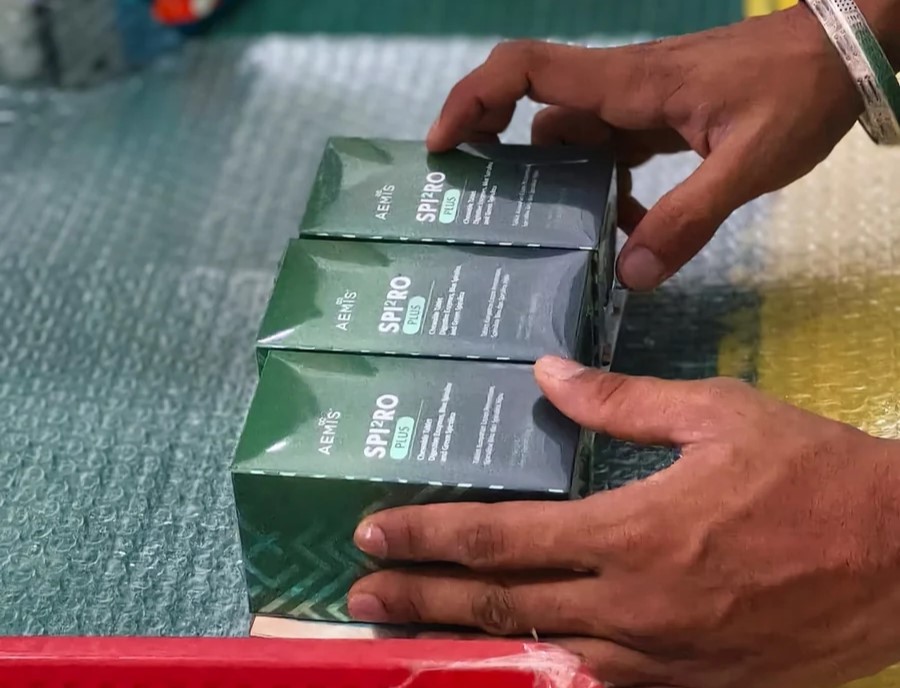
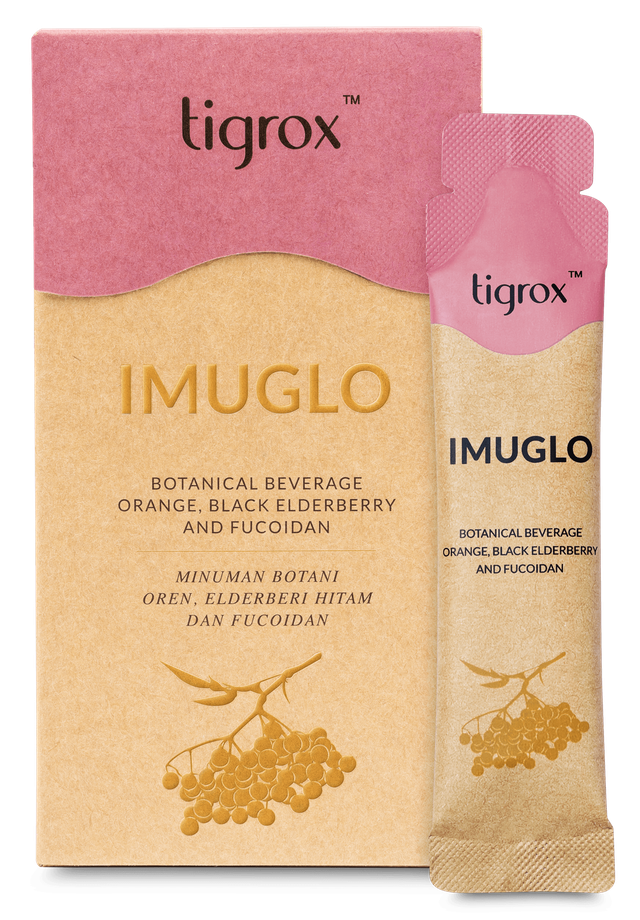 IMUGLO
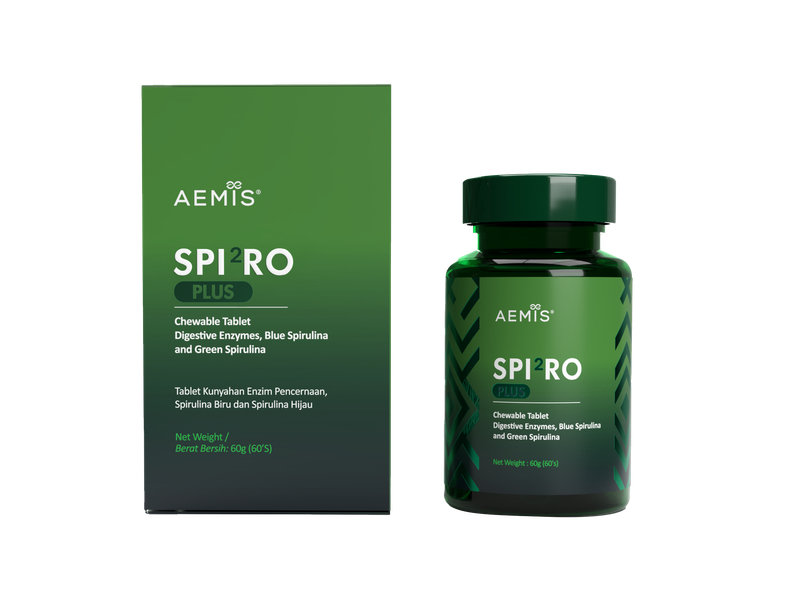 SPI2RO PLUS
Build consistency, not complexity
Daily nutritional support for a more consistent gut-care routine.
For daily nutritional support only. Not a substitute for medical assessment, screening, treatment or a balanced diet.
Supporting Product Documents
Product-specific certificates, testing records and classification documents are available for review before you decide.
2 supporting documents
Halal certification documents are available for both products.
4 supporting documents
Available documents include microbiological and heavy metal testing records.
5 supporting documents
Supporting documents include product classification, labelling and regulatory records.
These documents support product verification and quality review. They do not mean the products diagnose, treat, cure or prevent disease.
Frequently asked questions
Education, medical care and nutritional support have different roles.
No. Bloating can occur for many reasons, and IBS requires clinical assessment using recognised criteria. Do not self-diagnose from one symptom or statistic.
No treatment claim is made. IMUGLO and SPI2RO PLUS are food supplements for daily nutritional support, not medicines or substitutes for diagnosis, treatment or screening.
Record meal time, key foods and drinks, symptom timing and intensity, bowel changes, sleep, stress and any medication or supplement changes. Include how long the pattern has lasted.
Seek care promptly for persistent or worsening symptoms, unexplained weight loss, fever, severe pain or bowel changes. Sudden severe pain, blood in vomit, or bloody or black stools need urgent medical attention.
Healthier SG Screening offers FIT to eligible Singaporeans aged 50 and above. People with higher-risk factors may need an earlier or different plan.
Check the product labels and speak with a doctor or pharmacist, especially if you take regular medication, have a medical condition, are pregnant, breastfeeding or preparing for a procedure.
Singapore cross-sectional study; reported 20.9% using Rome III criteria.
Earlier Singapore community study; reported 8.6% using Rome II criteria.
Local chronic constipation estimate and guidance on increasing fibre gradually.
Trigger awareness, symptom diary, sleep, exercise, balanced diet and stress guidance.
GP and emergency-department warning signs.
Colorectal screening participation among residents aged 50–74.
Eligibility and process for colorectal screening with FIT.
Educational content only. This page does not provide medical advice or diagnose any condition. Recheck health guidance, product documents and price before publication.